In the era of the creator economy, few platforms have generated as much public intrigue, social debate, and legal scrutiny as OnlyFans. Launched in 2016 as a subscription-based social media platform, it was initially designed for creators like chefs, fitness trainers, and musicians to monetize content directly. However, it quickly became known for adult content, raising ongoing questions about its legality.
This article discusses OnlyFans’ legality, exploring how its status varies across countries and is influenced by content regulations, financial rules, and local legal frameworks.
Is OnlyFans Illegal?
The short answer is no; OnlyFans is not inherently illegal. It is a legitimate, for-profit business that operates globally.
However, the reality of its legality is far more nuanced, shifting dramatically depending on the jurisdiction, the nature of the content being shared, and local regulatory environments.
The Legal Standing Of The Platform
At its core, OnlyFans functions as a technology intermediary, a hosting service. Like other social media platforms that allow for user-generated content, it provides the infrastructure for creators to upload, manage, and monetize media.
From a business and corporate perspective, the platform is compliant with the laws in the jurisdictions where it operates, including the United Kingdom, where it is headquartered, and the United States, where it maintains significant operations.
The platform’s legality is grounded in its adherence to standard internet regulations, such as the Digital Millennium Copyright Act (DMCA) in the US and equivalent international frameworks regarding content hosting, copyright protection, and data privacy.
It employs robust identity verification processes, requiring creators to submit government-issued identification, conduct selfie verifications, and undergo background checks in certain regions. These measures are designed specifically to comply with age-verification laws and to prevent the illegal distribution of prohibited materials, such as child sexual abuse material (CSAM).
Global Variations: Why Legality Varies
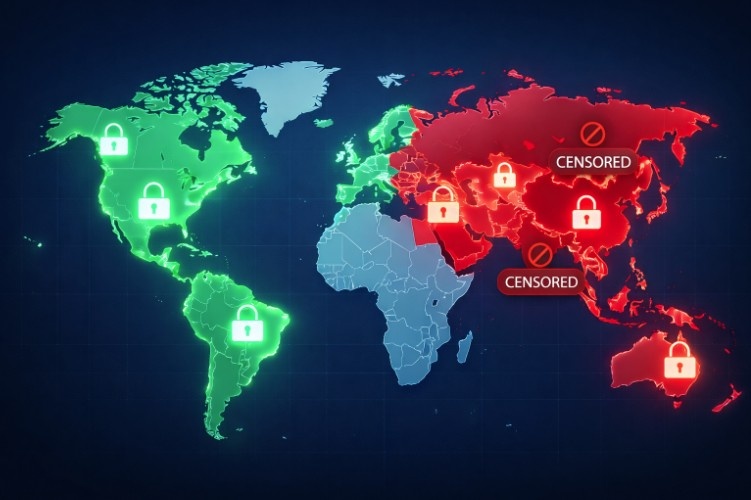
While the platform itself is legal, its accessibility and use are heavily restricted by national laws. Legality on OnlyFans is not a monolith; it is subject to the local laws of the country where the user or creator resides.
1. Countries With Total Bans
In nations with strict anti-pornography or religious-based morality laws, OnlyFans is often blocked entirely.
The following countries have banned access to the platform:
- Afghanistan, Angola, Bahrain, Bangladesh, Belarus
- China, Iran, Kuwait, Pakistan
- Qatar, Russia, Saudi Arabia, Thailand, Turkey
- United Arab Emirates (UAE)
In these regions, attempting to access the platform via a VPN or other workarounds may constitute a violation of local telecommunications and internet laws.
2. Restricted Markets
Some countries permit the platform but place severe restrictions on the ability to earn income. India, for example, has seen instances where access to the site is permitted for viewing, but the publication and transmission of sexually explicit material remains prohibited under the Information Technology Act of 2000, making content creation legally precarious for residents.
3. Legal Status In The USA
OnlyFans is legal in the United States. Creators and users must, however, comply with federal and state laws, including age verification requirements, federal obscenity standards, and mandatory reporting of earnings for tax purposes.
4. Legal Status In Europe
OnlyFans is legal across most of Europe, though regulations vary by country. In the UK, Ofcom enforces strict age verification rules to prevent minors from accessing adult content. In Germany, creators must adhere to copyright law and avoid impersonation or online harassment.
Across the EU, the Digital Services Act (DSA) requires platforms to proactively remove illegal content and implement measures to protect minors.
5. Financial And Banking Compliance
In many countries, the issue is not the content itself, but financial regulation. OnlyFans relies on global payment processors like Visa and Mastercard. If these processors determine that the risk profile of adult content is too high, or if national banking regulators impose strict capital controls, the platform may become effectively non-functional in that region, regardless of its abstract legality.
The Intersection Of Content And Criminal Law
The legality of OnlyFans also shifts based on what is being shared. Even in countries where the platform is legal, specific actions taken by users or creators can lead to criminal liability.
Non-Consensual Content
One of the most critical legal issues facing the platform is the distribution of non-consensual imagery (often referred to as “revenge porn”). Sharing the content of an individual without their explicit consent is a crime in many jurisdictions.
OnlyFans faces ongoing pressure to police this, and victims have increasingly sought legal recourse, including class-action lawsuits, arguing that the platform has failed to implement sufficient safeguards.
Copyright Infringement
While OnlyFans provides tools to help creators watermark their work and issue DMCA takedowns, the illegal redistribution of content by third parties remains a persistent challenge. Creators often find themselves in a constant battle to protect their intellectual property across international borders.
Tax Compliance
This is perhaps the most universal legal concern for creators. In almost every jurisdiction, income earned through OnlyFans is considered taxable. Many creators, particularly those new to the digital economy, fail to treat their earnings as business income. Failing to report this revenue is not just a platform violation; it is tax evasion, a serious crime that can lead to heavy fines, asset seizure, or imprisonment, regardless of whether the content itself is legal.
What Is Banned On OnlyFans?
Beyond legal obligations, OnlyFans enforces its own set of strict content guidelines. The following types of content are explicitly prohibited on the platform:
- Any material involving minors or depicting individuals under 18
- Non-consensual content or content shared without explicit participant consent
- Violent or harmful acts, including depictions of injury or abuse
- Hate speech or discrimination based on race, gender, religion, or similar characteristics
- Promotion or depiction of illegal substances or activities
- Copyrighted material uploaded without proper rights or permissions
Creators must also obtain documented consent from all individuals featured in their content and comply with the platform’s age verification requirements.
Consequences Of Violating OnlyFans’ Terms Of Service
Violations of OnlyFans’ Terms of Service can result in a range of consequences, including temporary account suspension, permanent account termination, forfeiture of accumulated earnings, removal of offending content, and potential legal action for unlawful activity. In severe cases, such as the distribution of illegal content, users may face criminal penalties, including fines or imprisonment.
Can You Lose Your Job For Having An OnlyFans?
This is an increasingly common real-world concern. In at-will employment states, employers can legally terminate an employee for maintaining an OnlyFans account, provided it does not violate anti-discrimination laws. Professions such as teaching, healthcare, and law enforcement are particularly vulnerable, as they are often governed by strict codes of professional conduct.
Several educators and public-sector employees have faced termination after their accounts were discovered, prompting broader debates about privacy, digital identity, and workplace rights.
Is OnlyFans Safe?
OnlyFans is a legitimate platform, but users should remain aware of potential safety and privacy risks. Data breaches can expose personal and financial information. Content piracy, where creators’ material is stolen and redistributed without permission, remains a widespread issue. Public exposure on the platform can also attract harassment or unwanted attention.
To address these concerns, OnlyFans employs identity verification, content moderation, and privacy controls that allow creators to restrict who can view or interact with their content. Nevertheless, users are advised to protect their personal data, enable available privacy settings, and exercise caution regarding the information they share on the platform.
Conclusion: OnlyFans Is Not Illegal
For the average user or creator, “Is it illegal?” is the wrong question to ask. The better approach is to ask: “Is it compliant with the laws of my country?” The answer to that requires an understanding of local obscenity laws, tax obligations, and the specific terms of service set by the platform.
As governments continue to scrutinize the digital creator economy, the legal landscape for OnlyFans will undoubtedly continue to evolve, requiring both the platform and its users to remain vigilant and adaptable to the laws of the land.